Plan a Lively Night Out Close to Home
A good evening out does not need a long journey, a complicated plan, or a late finish. The best local nights often come from choosing a few nearby pieces that fit together well: a short walk, a relaxed meal, a performance, and an easy way home. The trick is to treat the evening as a small design project. Start with what is close, then build around it.
Start with the area you can reach without fuss
Begin by setting a practical boundary. Think in terms of a short bus ride, a manageable walk, or a drive that does not turn the night into a logistics exercise. A culture filled evening works best when the venues sit near one another, or when the trip between them is simple and familiar.
Choose a base first. That might be a town centre, a high street, a arts quarter, a market area, or a cluster of venues around a station. Once the base is set, look for events that fit inside it. This keeps the evening flexible, because leaving one place early or arriving a little late does not ruin the plan.
It helps to look beyond a single type of event. Comedy, live music, theater, a film screening, a gallery opening, and a night market can all create a full evening when they are close together. A short set at one venue can lead into a late show nearby. A quiet early exhibition can balance a louder performance later on. The aim is not to pack in as much as possible, but to give the night a shape.
Choose the main event before the small details
Every good evening needs an anchor. Pick the event that matters most, then arrange the rest around it. If the main draw is nearby comedy nights, check the performance time and allow enough time to arrive, settle, and order a drink or food beforehand. If the anchor is a concert, consider whether the venue has seating, standing space, or a fixed entry window.
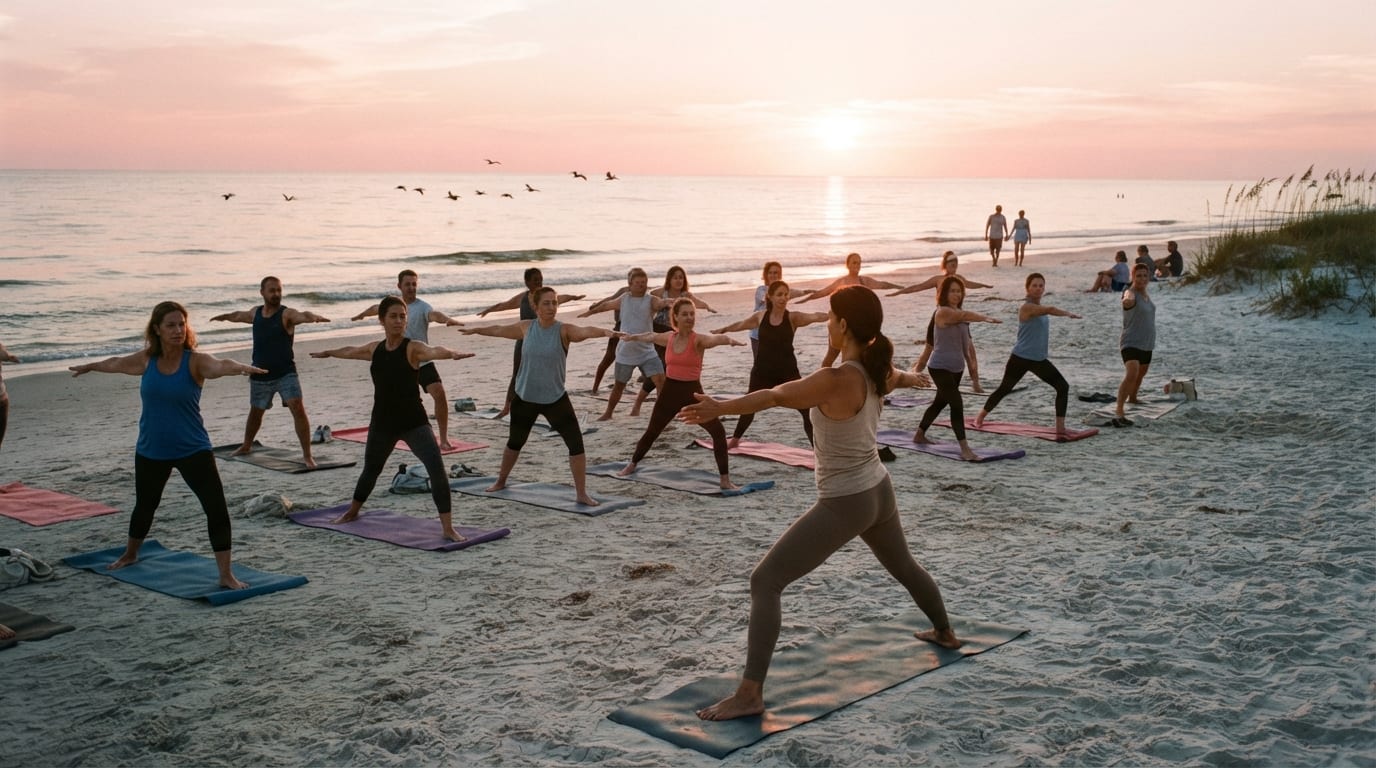
When comparing options, look at more than the title. The venue size can change the feel of the night. A small room can make a performance feel immediate, while a larger space may offer a fuller production but less closeness. The ticket price also matters, though it should be read alongside what the event includes, the length of the performance, and any extra fees shown at checkout.
Pay attention to the start time, not just the advertised door time. Some events list doors, support acts, intervals, and finishing times separately. Others give only one time. If the timing is unclear, a quick check with the venue or event listing can prevent an awkward arrival. For comedy, arriving too late can mean missing the opening material or being seated in the middle of a set. For theater, late entry may be held until a suitable pause.
Use a local event map to spot combinations
Once the anchor is chosen, scan the surrounding area for events that could sit before or after it. TownWild helps people discover concerts, games, comedy, festivals, family activities, markets, arts and other local events on an interactive map, so it can be useful for seeing what sits near the same streets rather than treating each listing in isolation.
A map view makes trade-offs easier to judge. Two events may look close on paper but sit on opposite sides of a busy road, a river, or a rail line. Another pair may be a few streets apart and easy to link on foot. Look at the route, not only the distance. Check whether the streets are well lit, whether the walk passes busy public places, and whether the second venue is likely to be open at the time you would arrive.
A simple plan might begin with a gallery visit, move to dinner, then finish at a comedy show. Another might start with a market, continue to live music, and end with a short walk home. If the night is meant to be family friendly, an early film screening or games event may work better than a late performance. The point is to match the mood of each event to the energy of the group.
Build in a buffer between venues
Do not make the plan so tight that one delayed train or slow meal breaks it. Leave a clear gap between events, especially when food is involved. A relaxed drink or a short walk is often enough to reset the evening. Where tickets are involved, the buffer should be generous enough to handle queues, coat checks, and the time it takes to find seats.
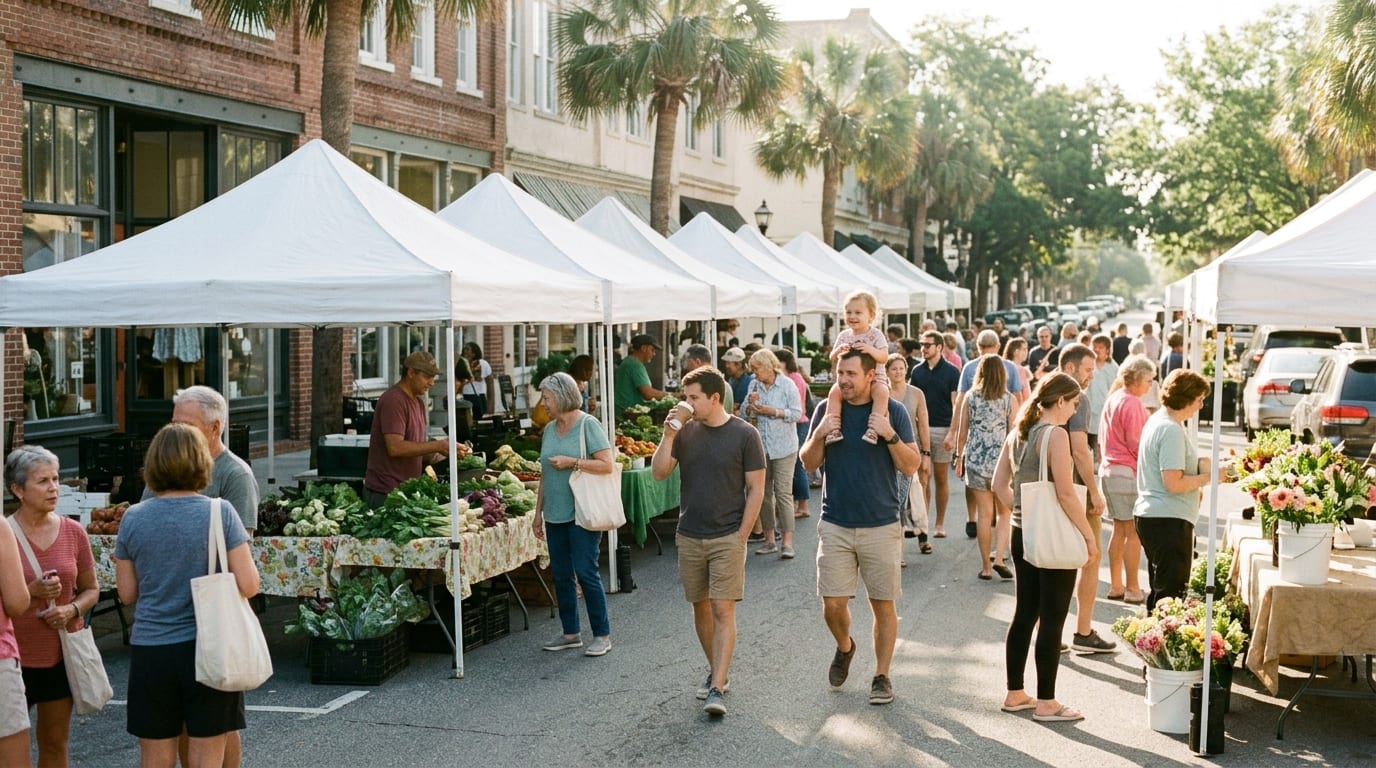
The same care applies to transport. If the evening ends after public services thin out, decide early whether to book a taxi, arrange a lift, or choose an event closer to home. A night out feels far better when the return journey is already settled. This is especially true for performances that finish late or venues on the edge of town.
For a local evening, the journey can be part of the pleasure rather than a chore. Walking between nearby venues gives people time to talk, check the next listing, and change course if energy drops. It also makes it easier to skip one part of the plan without feeling that the whole night has failed.
Check the small print before committing
Before buying tickets or making reservations, read the event details carefully. Age limits, seating rules, accessibility information, and refund terms can affect whether an event suits the group. Some venues have steps, standing areas, or limited spaces, so it is worth checking in advance rather than on the door.
Also consider how the evening will feel for everyone involved. Nearby comedy nights can vary widely in tone, and a late set may not suit an early start the next morning. A concert may be better for a group that wants shared energy, while a film screening suits people who prefer less conversation during the main event. A theater performance can give the night a clear beginning and end, which helps when timings need to be precise.
Food deserves the same attention. A venue with a kitchen may be convenient, but it can also mean queues before a show. A nearby caf or pub with earlier service may be calmer. If the group has dietary needs, check the menu before choosing where to eat. Keeping food simple protects the main event from delay.
Make the evening easy to change
A strong local plan has a flexible middle. Keep one extra option in mind, such as a nearby gallery, a market stall area, or a second venue with a later performance time. That way, if the first choice is cancelled or the group wants one more stop, the night can continue without a cross town dash.
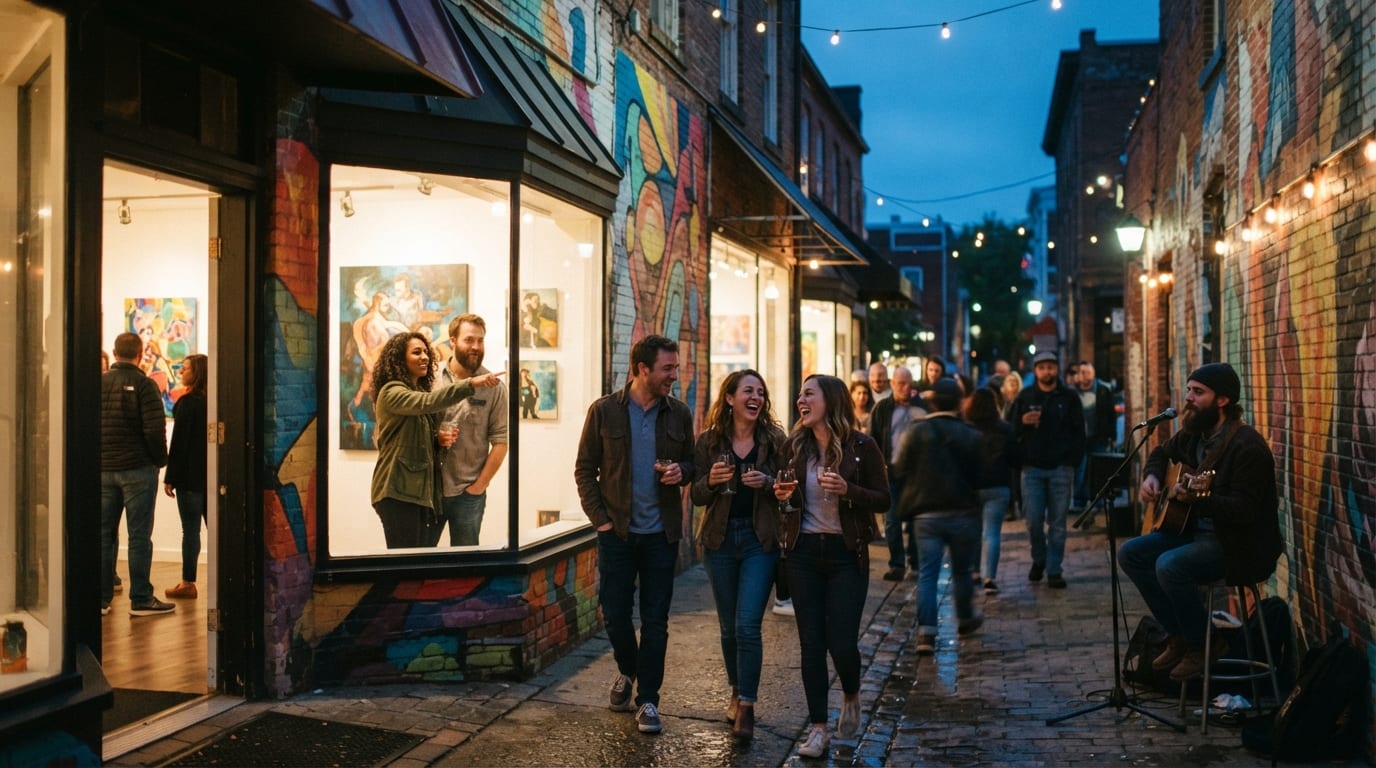
Many people discover local events through townwild.com because a map makes it easier to see what is happening in a compact area. The useful part is not simply finding more events. It is seeing how one event connects to another, so the evening can move naturally from one street to the next.
When the plan is set, save the essential details in one place: start times, addresses, ticket confirmations, and the route between venues. Share them with the group before the day arrives. A little preparation keeps the evening relaxed and leaves room for the best part of a local night out, which is discovering how much can happen close to home.